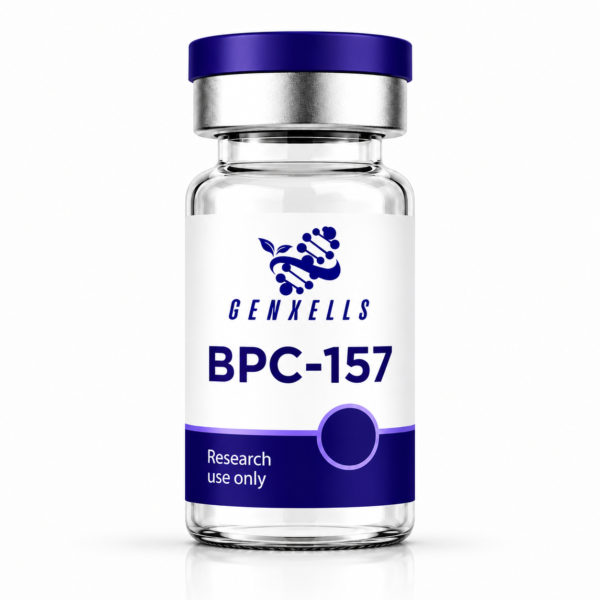
BPC-157 (Body Protection Compound-157) is a synthetic peptide that has attracted significant attention in research communities due to its potential biological properties. Derived from a sequence found in a protective protein associated with gastric juice, BPC-157 has primarily been studied in laboratory and animal models. Researchers have investigated its possible effects on tissue repair, inflammation, gastrointestinal health, and musculoskeletal injuries.
Despite growing interest, it is important to understand that BPC-157 is not an approved medication for treating diseases or injuries in humans in many countries. Human clinical evidence remains limited, and much of the available information comes from preclinical research rather than large, well-controlled clinical trials.
This article explores what BPC-157 is, how it is being studied, and what current research suggests while highlighting the importance of evidence-based medical care.
What Is BPC-157?
BPC-157 is a laboratory-produced peptide consisting of 15 amino acids. It has been investigated by scientists for its potential role in supporting biological processes related to healing and tissue maintenance.
The peptide has been the subject of experimental studies involving:
- Tendons and ligaments
- Muscles
- Bones
- Gastrointestinal tissues
- Blood vessel formation
- Inflammatory responses
While these studies have generated scientific interest, researchers emphasize that further human studies are necessary before drawing conclusions about safety or effectiveness.
Areas of Scientific Research
Tissue Repair
Animal studies have explored whether BPC-157 influences cellular processes involved in tissue healing. Researchers are investigating how the peptide may interact with growth factors and signaling pathways involved in normal repair mechanisms.
These findings remain preliminary and should not be interpreted as proof that the same effects occur in humans.
Musculoskeletal Research
Experimental models have examined BPC-157 in relation to:
- Tendon healing
- Ligament repair
- Muscle recovery
- Joint tissues
Although these studies provide valuable information for researchers, there is currently insufficient high-quality clinical evidence to recommend BPC-157 as a treatment for sports injuries or orthopedic conditions.
Gastrointestinal Studies
Because the peptide originates from a protective gastric protein sequence, researchers have investigated its effects on digestive tissues.
Laboratory studies have explored potential interactions with gastric mucosa and intestinal tissues. More clinical research is needed before any therapeutic conclusions can be made.
Inflammation Research
Scientists have also examined whether BPC-157 influences inflammatory pathways in experimental settings.
Inflammation is a complex biological process, and current evidence is insufficient to determine whether BPC-157 has clinically meaningful effects in people.
Potential Mechanisms Being Investigated
Researchers continue studying how BPC-157 may interact with biological systems.
Areas of investigation include:
- Cell signaling pathways
- Angiogenesis (formation of new blood vessels)
- Nitric oxide pathways
- Collagen production
- Tissue remodeling
- Cellular protection mechanisms
These mechanisms remain under investigation and require additional validation through human clinical research.
Current Scientific Evidence
The majority of published studies involving BPC-157 have been conducted using:
- Laboratory experiments
- Cell cultures
- Animal models
Human clinical trials remain limited in both number and quality.
Because of this, researchers cannot currently confirm:
- Long-term safety
- Optimal dosing
- Effectiveness for specific conditions
- Potential drug interactions
- Appropriate treatment protocols
High-quality randomized clinical trials are needed before BPC-157 can be considered an evidence-based therapeutic option.
Safety Considerations
Since BPC-157 has not been extensively studied in humans, several safety questions remain unanswered.
Researchers are still evaluating:
- Long-term effects
- Possible adverse reactions
- Interactions with medications
- Appropriate dosage ranges
- Use in different patient populations
Individuals should avoid self-medicating with experimental compounds without guidance from qualified healthcare professionals.
Regulatory Status
In many countries, BPC-157 is not approved as a prescription medication for treating medical conditions.
Its regulatory status varies depending on local laws and regulations. Researchers typically use BPC-157 in controlled laboratory settings rather than routine clinical practice.
Anyone considering participation in peptide-related research should consult licensed healthcare professionals and verify local regulatory requirements.
Frequently Asked Questions
Is BPC-157 approved for medical treatment?
In many jurisdictions, BPC-157 is not approved for treating diseases or injuries. Research is ongoing, but more clinical evidence is required.
Is there strong evidence that BPC-157 works in humans?
No. Most available evidence comes from laboratory and animal studies. Human clinical data are currently limited.
Why is BPC-157 popular in research discussions?
Researchers are interested in its potential biological properties related to tissue repair and inflammation. However, scientific interest does not establish clinical effectiveness.
Can BPC-157 replace standard medical care?
No. Experimental compounds should not replace evidence-based medical evaluation and treatment.
The Future of BPC-157 Research
Scientific interest in peptide therapeutics continues to grow. Future studies may help researchers better understand:
- Biological mechanisms
- Clinical safety
- Therapeutic potential
- Appropriate medical applications
- Long-term outcomes
Well-designed human clinical trials will be essential for determining whether BPC-157 has a role in future medical practice.
Conclusion
BPC-157 is an experimental peptide that has generated considerable research interest due to findings from laboratory and animal studies. Scientists are investigating its potential involvement in tissue repair, gastrointestinal biology, and inflammatory processes.
However, current evidence is not sufficient to establish BPC-157 as a safe or effective treatment for medical conditions in humans. Until more high-quality clinical research becomes available, healthcare decisions should be based on established, evidence-based treatments and guidance from qualified medical professionals.
As research advances, a clearer understanding of BPC-157's safety profile and potential clinical applications may emerge. Until then, it should be viewed as an experimental research compound rather than a proven therapeutic intervention.